Children Without Access to Good Schools
Many children lack nearby schools that provide consistent, quality teaching and a safe learning environment.
What We Do
Every child deserves access to education, encouragement and the opportunity to realise their potential. KT Foundation supports inclusive learning initiatives that help children and young people build knowledge, confidence and essential life skills.
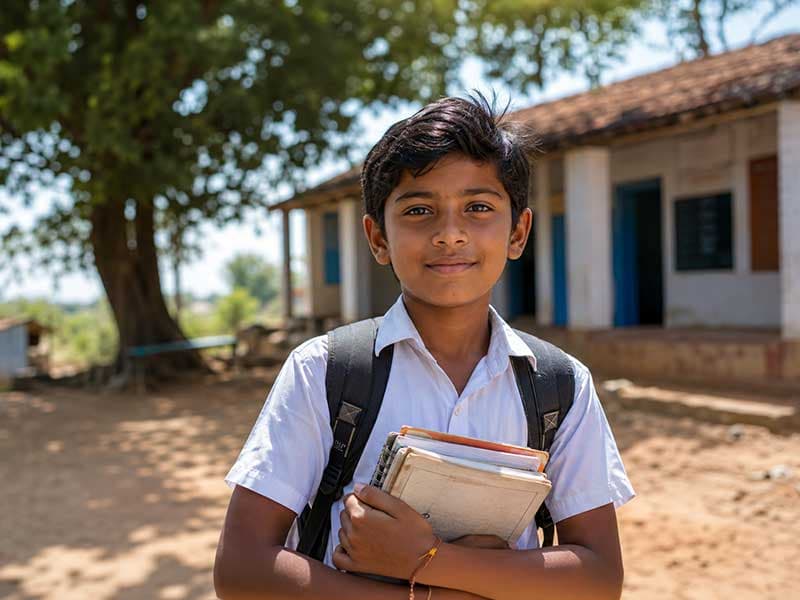
Education is more than classroom learning. It gives children the confidence to express themselves, make informed choices and build independent futures.

However, many children and young people continue to face challenges such as limited access to learning resources, inadequate infrastructure, digital inequality and lack of academic guidance.
KT Foundation works with schools, communities, educators, volunteers and partners to create supportive learning environments that make education more accessible, engaging and meaningful.
Children from underserved communities may face several obstacles that affect their education and overall development.
Key Challenges
Many children lack nearby schools that provide consistent, quality teaching and a safe learning environment.
Limited availability of trained educators reduces instructional quality and slows academic progress.
Without books, stationery and other learning resources, students struggle to keep pace in the classroom.
Digital inequality prevents children from developing modern skills and accessing online learning tools.
Learning gaps, limited support and disrupted schooling leave many students struggling academically.
Without clear guidance on pathways and opportunities, students find it harder to plan for their future.
Economic pressure and family responsibilities force many children to discontinue their education.
KT Foundation designs and supports education programmes based on the specific needs of children, schools and communities.
We help children strengthen essential reading, writing, numeracy and comprehension skills.
We provide books, stationery, school supplies and educational resources to students who need them.
We support improvements in classrooms, libraries, laboratories, sanitation facilities and learning spaces.
We promote access to digital devices, technology-enabled education and basic digital literacy.
We provide additional academic support to help students overcome learning gaps and improve performance.
We support deserving students through scholarships, fee assistance and other educational resources.
We help students understand educational pathways, career opportunities and future skill requirements.
We conduct activities that build communication, leadership, confidence, teamwork and decision-making skills.
We support educators through training, teaching resources and knowledge-sharing opportunities.
We create local learning opportunities through community centres, volunteers and collaborative educational activities.
Our education initiatives are designed to support children, young people and educators who face barriers to quality learning.
Empowering Those Who Need Opportunity Most
Corporates, institutions, schools and individuals can collaborate with KT Foundation to create meaningful education programmes for underserved children and young people.
Partnership Opportunities
Volunteer
Volunteers can support children through teaching, mentoring, storytelling, career guidance, digital literacy and life-skill activities.
Volunteer With UsOur programmes support children and young people from underserved, low-income, rural and socially disadvantaged communities.
Scholarships and educational assistance may be provided under selected programmes, depending on eligibility, available resources and programme objectives.
Yes. KT Foundation works with corporate partners to design and implement education programmes aligned with their CSR priorities and community needs.
Yes. Donations may be accepted based on current programme requirements and the condition and relevance of the materials.
Yes. Volunteers can contribute through academic support, mentoring, career guidance, digital learning and life-skill activities, subject to programme requirements.
We monitor indicators such as participation, attendance, access to resources, learning improvement, student engagement and feedback from educators and communities.